

Embroidery Defined: A Guide to Modern Stitches and Custom Workflows
Embroidery Defined: A Guide to Modern Stitches and Custom Workflows
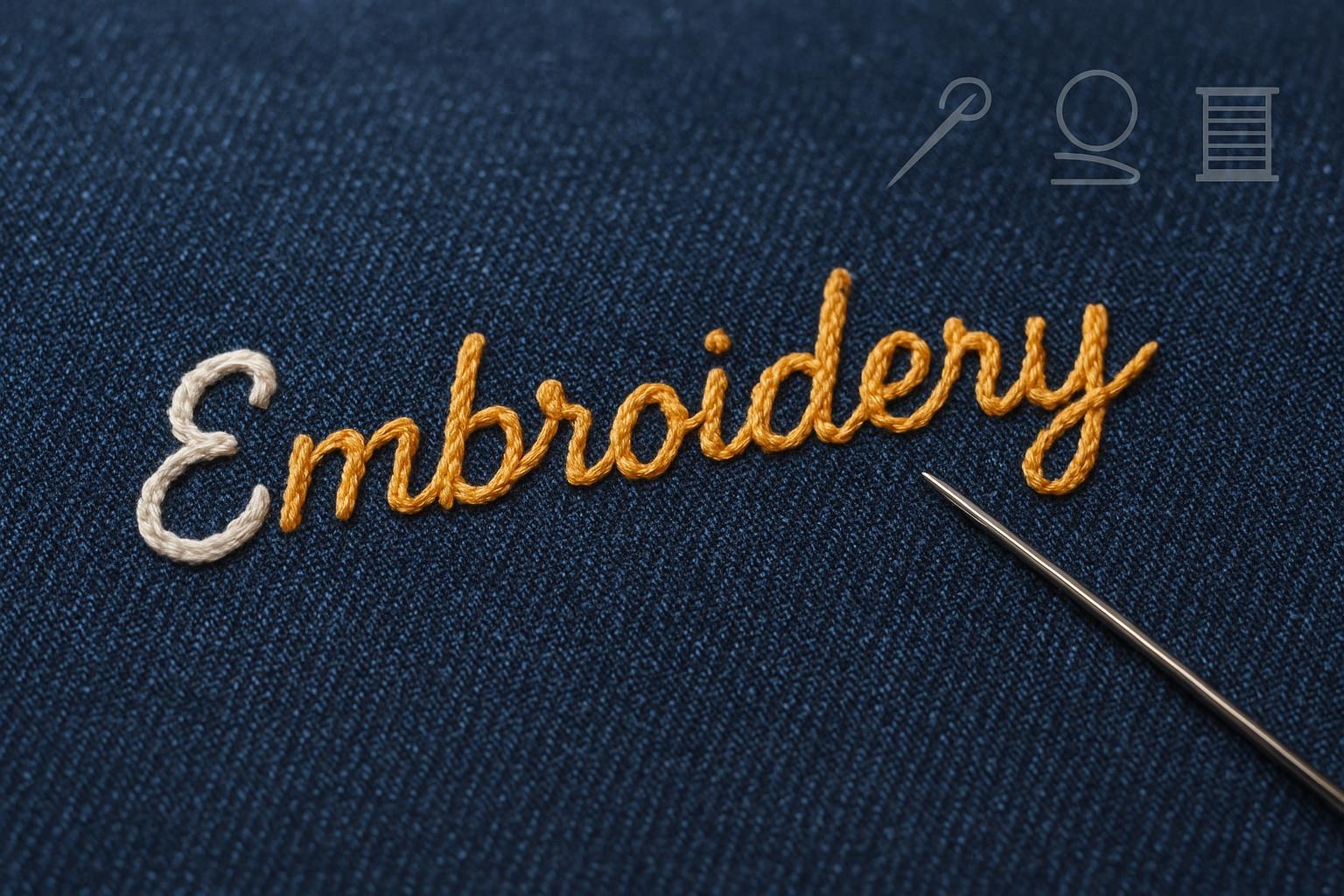
Embroidery is the art of decorating fabric with thread, stitched by hand or machine so the design becomes part of the cloth. Unlike printing, which lays ink on top, embroidery adds raised texture and durable color that holds up well to wear and washing. This comprehensive beginner's guide explores the art and technical workflow of embroidery. It defines embroidery as a durable, textured alternative to printing and breaks down the choice between artistic hand-stitching and high-speed machine production.
Key takeaways
- Fundamental Stitches: Definitions of essential patterns like Satin, Fill (Tatami), and Chain stitches.
- Materials & Setup: The importance of matching thread types (Polyester/Rayon) with the right needles and stabilizers to prevent fabric puckering.
- Commercial Workflow: A step-by-step look at the professional process—from digitalizing artwork into stitch data to multi-needle machine execution and final quality control.
- Troubleshooting: Practical advice on fixing common issues like skipped stitches or misalignment.
What “Embroidery” Means and How It Differs from Printing
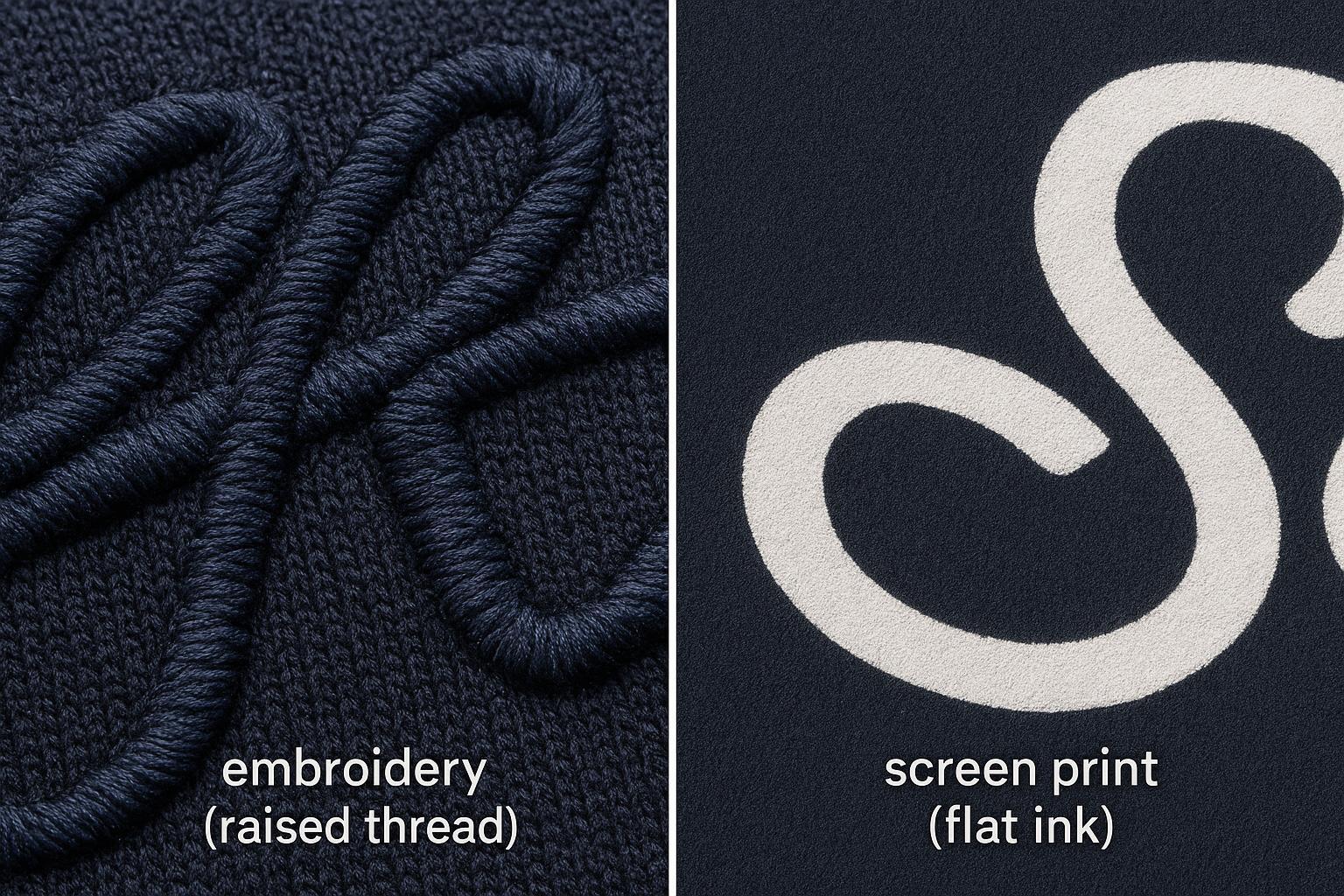
Embroidery stitches build a design into the fabric itself, producing a tactile finish and strong wash performance. For logos, monograms, and custom embroidered sweatshirts, embroidery often looks more professional and lasts longer than screen printing or heat transfers, which can crack or fade over time. Check out Printify’s comparison for a detailed look at costs and complexity.
Hand vs. Machine Embroidery — What’s Best for Your Project?
Hand embroidery is artistically flexible, allowing for varied textures and “organic” looks. Machine embroidery focuses on speed and repeatability: once a design is digitized, multi-needle machines can reproduce it uniformly across hundreds of items. See Scalable Press’s production context for more details.
| Aspect | Hand Embroidery | Machine Embroidery |
|---|---|---|
| Speed & Scale | Slow; best for art pieces | Fast; ideal for commercial orders |
| Consistency | Natural variation | Identical batch quality |
Common Embroidery Stitches You’ll See Everywhere
Whether you're looking at a corporate polo or a personalized gift, these stitches form the foundation:
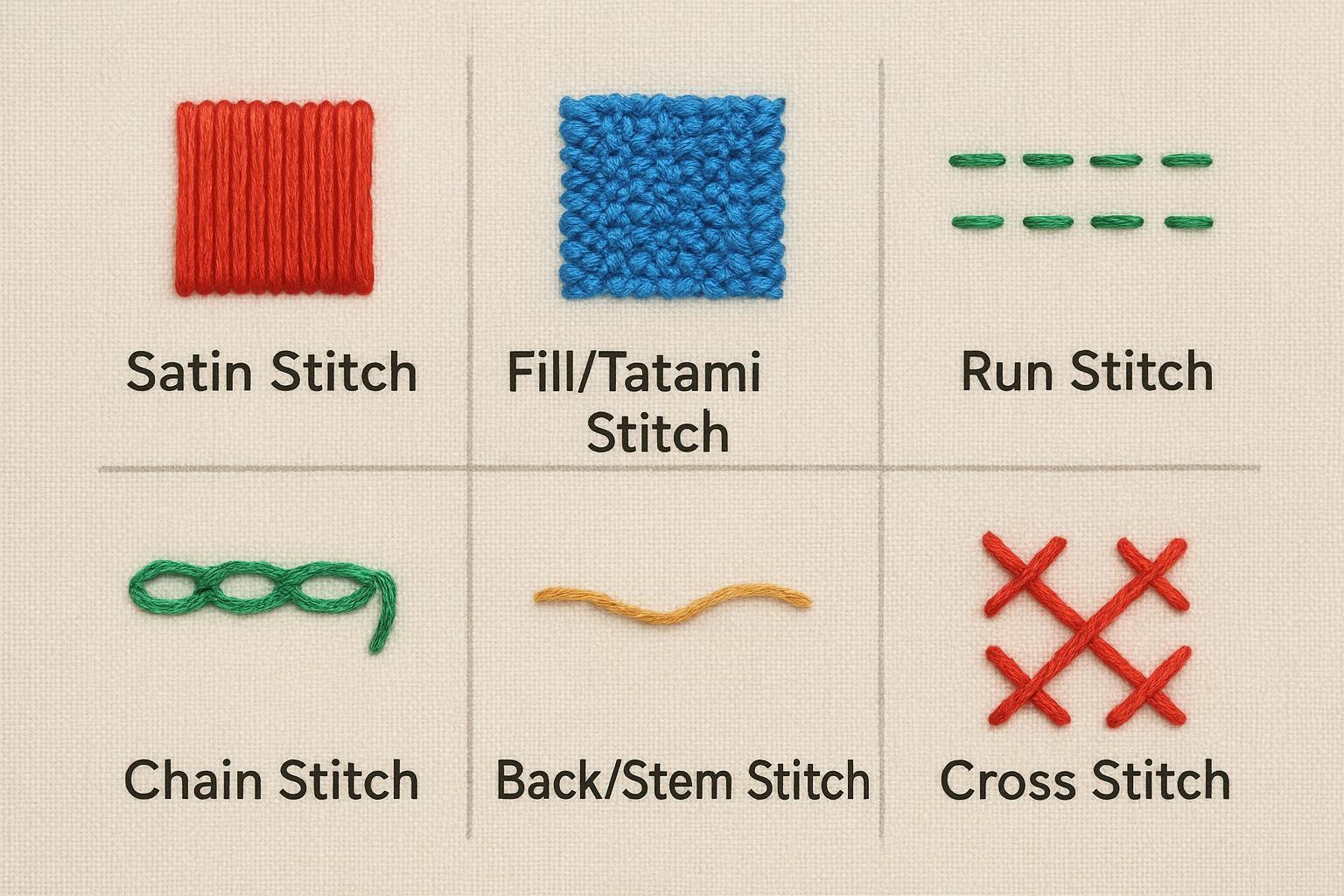
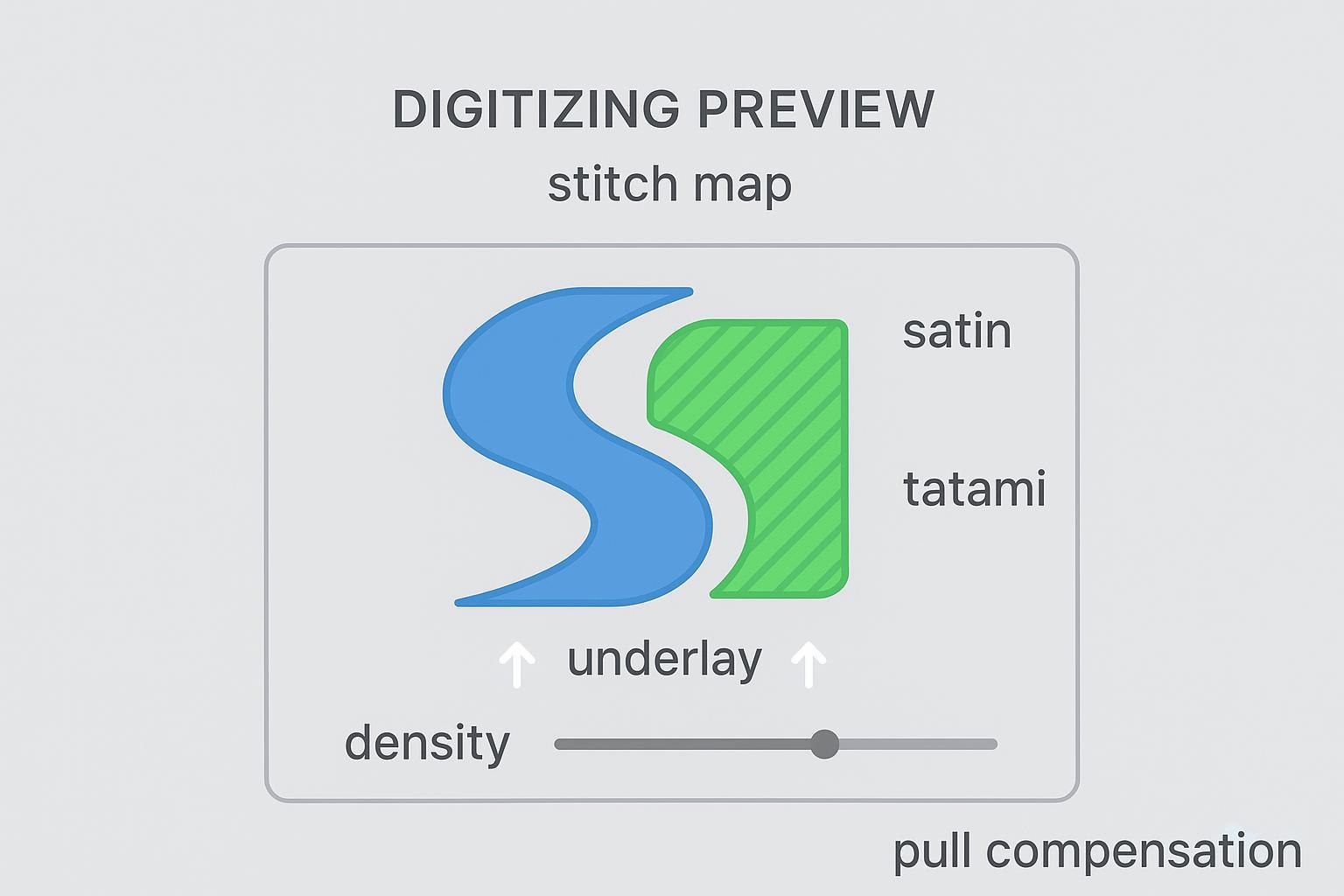
- Satin stitch: Smooth, glossy lines made of closely packed threads, ideal for lettering and borders.
- Fill (or Tatami) stitch: Rows of stitches that fill large areas, common in solid logo backgrounds.
- Chain, Back, and Stem stitches: Used for outlines and curves to define a design’s shape.
Threads, Needles, and Stabilizers
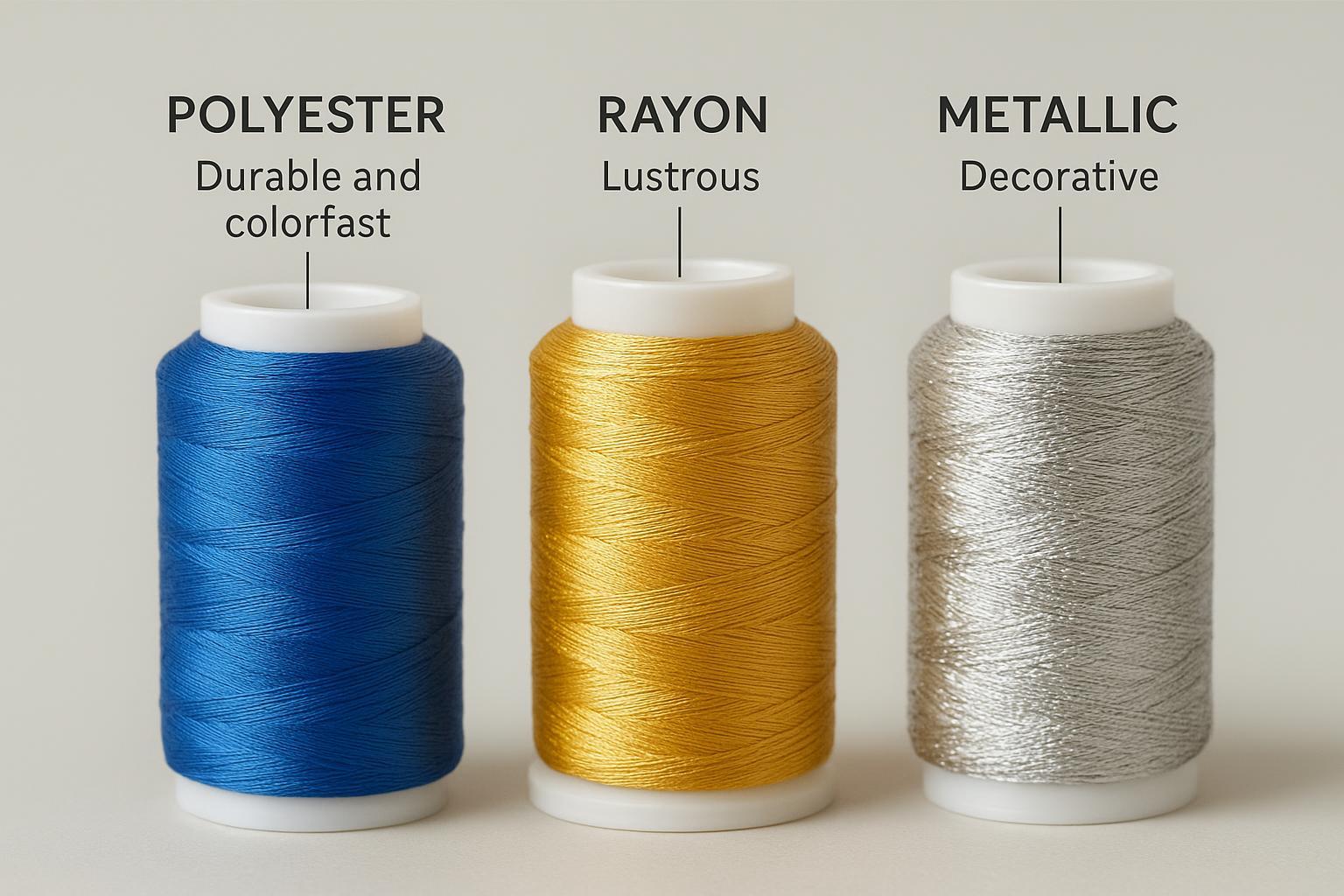
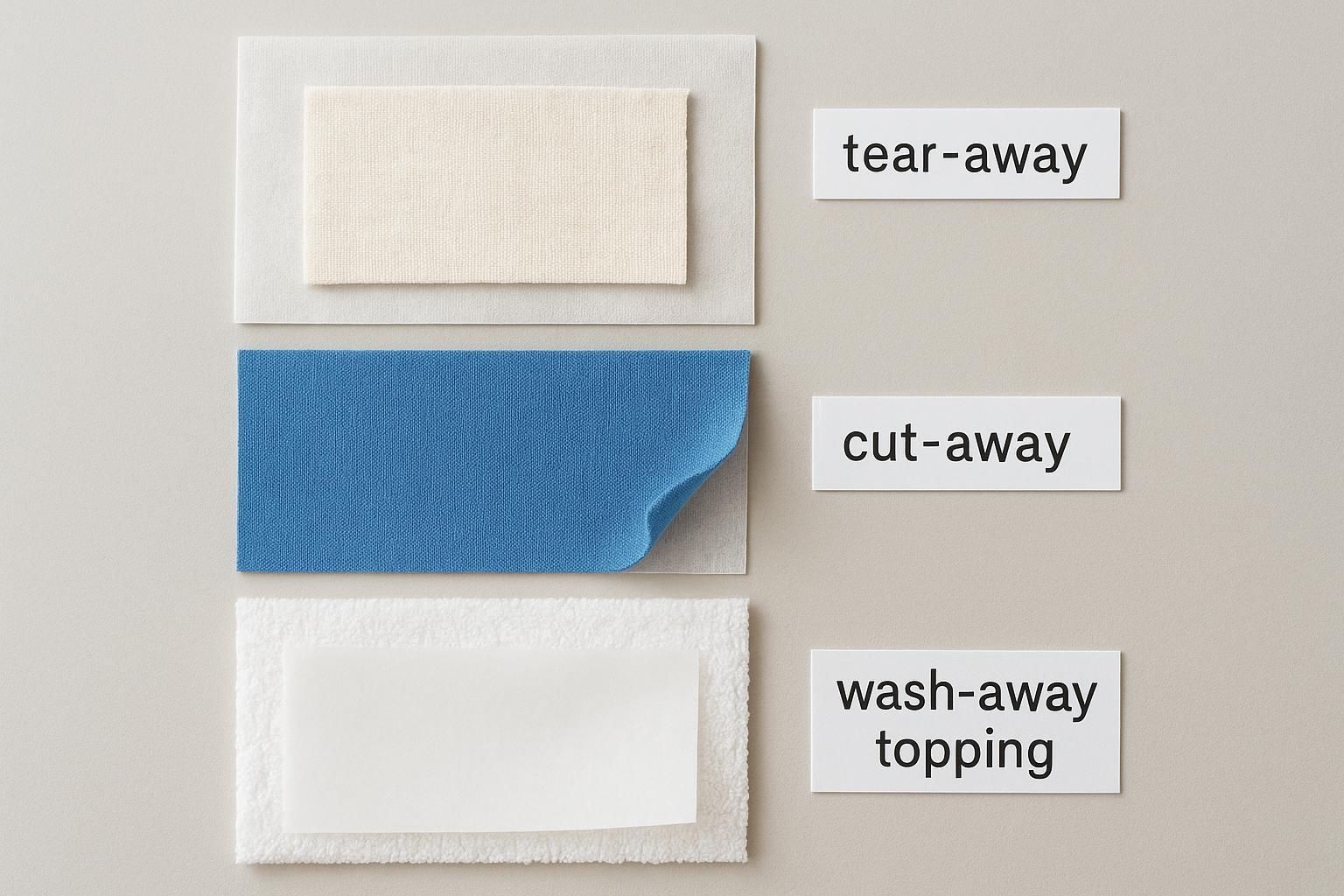
At Mystic Hot, we know that materials are the difference between professional quality and a puckered mess. Polyester thread is the standard for its durability and colorfastness, while Rayon offers a higher lustre. Choosing the right needle size and stabilizer (backing) is critical—stretchier fabrics need a “cut-away” stabilizer to maintain their shape.
Commercial Machine Embroidery Workflow
- Digitizing: Converting artwork into a stitch file using software like Wilcom.
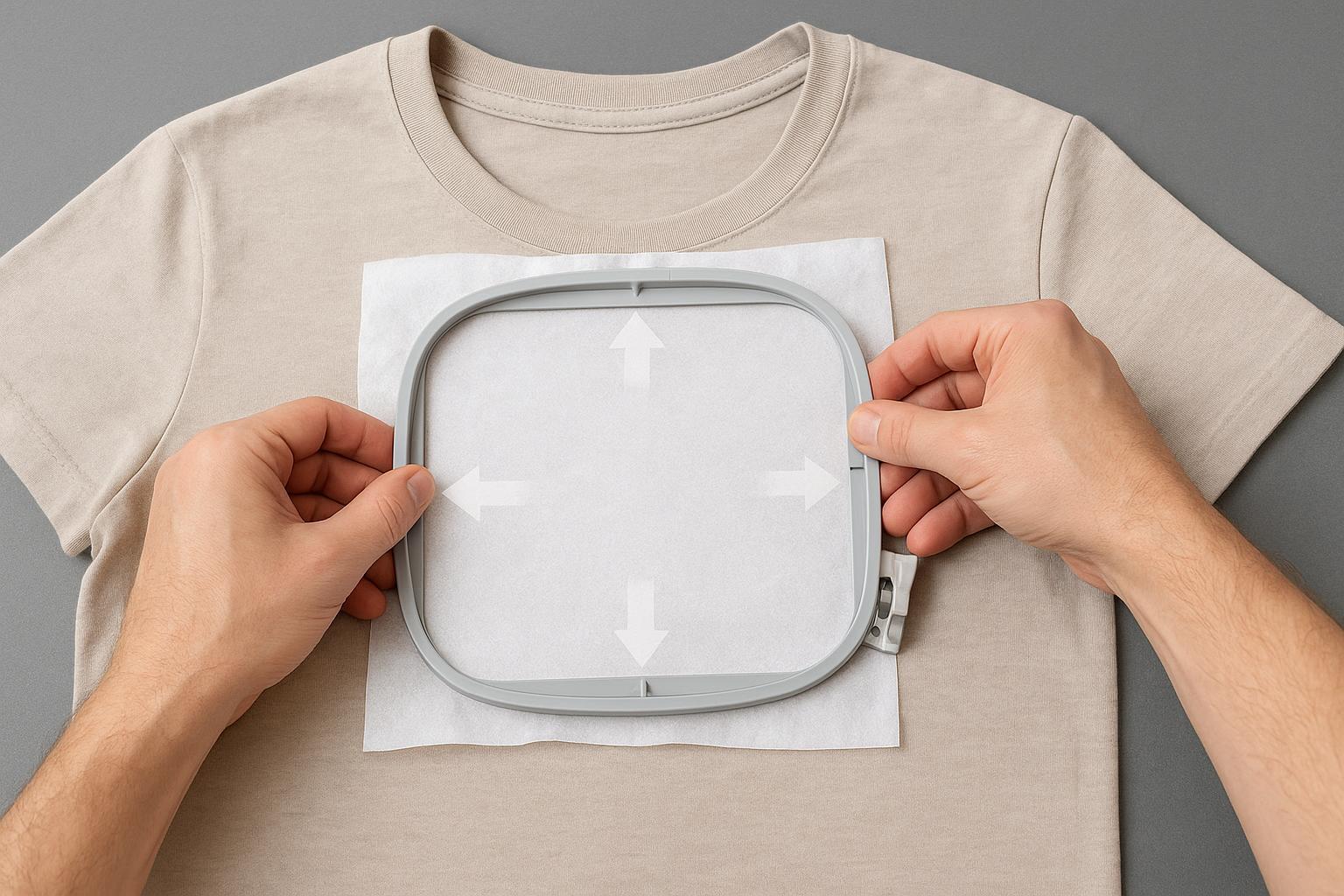
- Hooping: Securing the fabric and stabilizer in a frame with the correct tension.
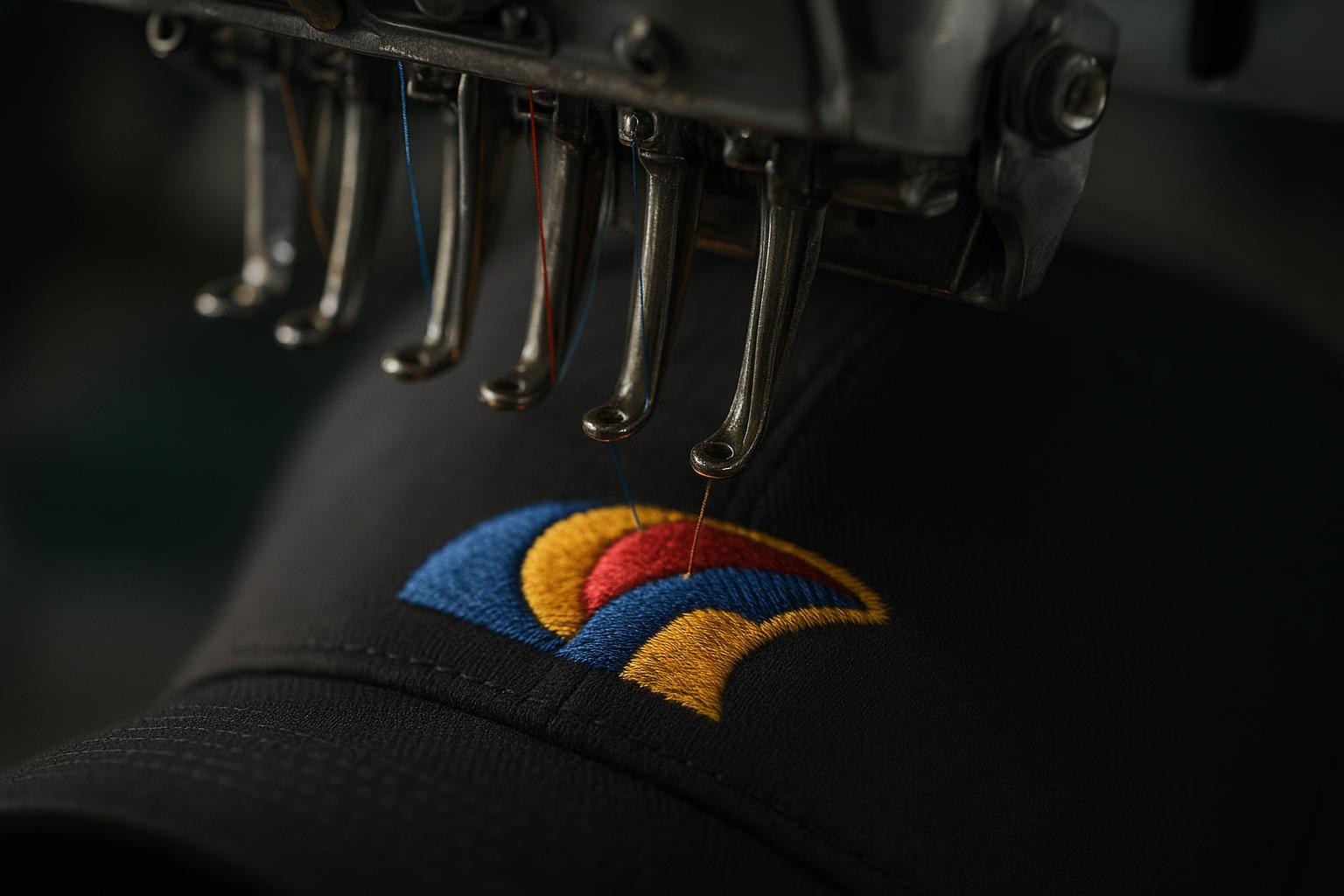
- Stitching: Loading the file onto a multi-needle machine that executes the design.
- Finishing: Trimming jump threads and performing a final quality check.
Frequently Asked Questions
What is embroidery in simple terms? Embroidery is decorating fabric by stitching designs with thread.
Is embroidery more durable than printing? Yes, for logos and text, embroidery maintains its appearance longer because the color is in the thread itself.
Can any fabric be embroidered? Most can, but stabilizers and hooping techniques must be adjusted for stretch or delicate fabrics.
What is digitizing? Digitizing turns artwork into stitch instructions for a machine.
How much does logo embroidery cost? Costs vary based on stitch count, thread changes, and order volume.
Ready to start your custom project? Explore our collection at Mystichot and see the difference professional embroidery makes.


